From a city brewery to a global symbol
Inside St James's Gate, the history of Guinness is also the history of Dublin's labor, ambition, creativity, and resilience.
Table of Contents
Arthur Guinness and the St James's Gate lease
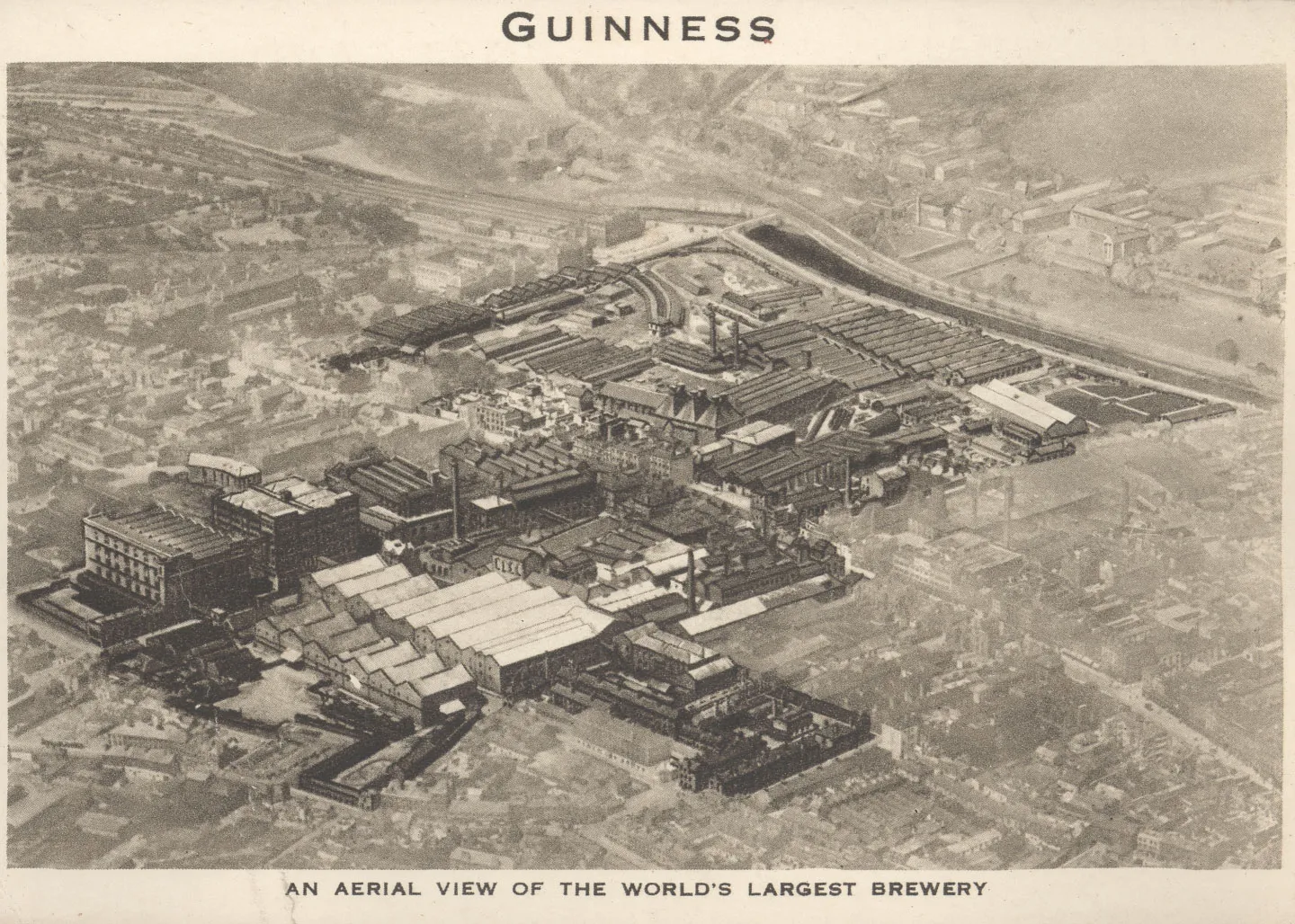
The story most people know begins in 1759, when Arthur Guinness signed the famous lease at St James's Gate. It is often retold in a single line about long-term vision, but what matters just as much is context: Dublin in the 18th century was a city of trade, migration, craft labor, and rapid urban change. Brewing was competitive, quality was inconsistent, and reputation meant survival. Guinness built his enterprise by combining practical discipline with bold ambition, investing in process, consistency, and scale at a time when many producers remained small and local. The brewery's early rise was not luck alone; it reflected careful choices about supply, equipment, logistics, and brand trust.
As production methods evolved, Guinness moved toward porter and eventually stout, drinks suited to industrial-age tastes and urban working life. Over time, the brewery grew into one of Dublin's defining economic engines. Families found stable employment there for generations, and the name Guinness became woven into everyday speech in pubs, docks, workshops, and kitchens. What started as a business decision at St James's Gate slowly became a cultural anchor point: a place where commerce, identity, and city memory met in one address.
How porter transformed Dublin brewing
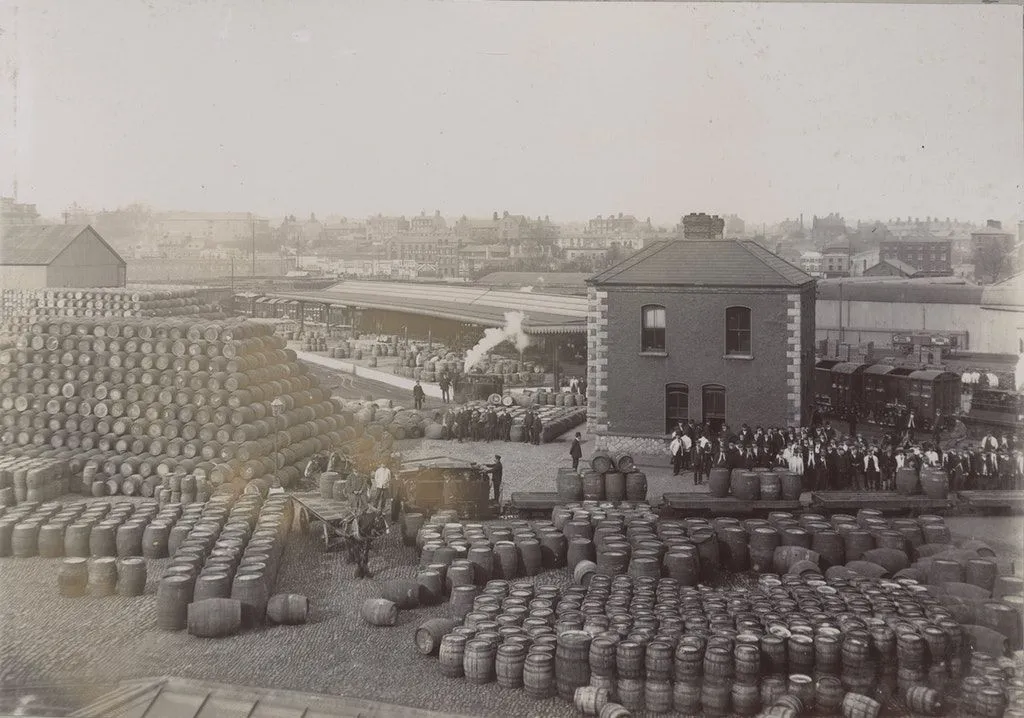
Porter changed everything. In an era when many beers were inconsistent from batch to batch, dark porter offered a recognizable profile that could travel and still satisfy. Guinness invested heavily in equipment and quality control to keep flavor reliable, and this reliability became a competitive advantage in local and export markets. Drinkers came to trust the product, publicans came to trust delivery, and the city came to trust the business as a source of wages and commercial momentum.
The rise of porter also reveals a broader story about taste and class in urban Europe. Dark beer was practical, filling, and compatible with the rhythm of industrial towns, where long shifts and crowded neighborhoods shaped daily life. Guinness did not simply follow this shift; it helped define it. By the 19th century, the brewery's output and reputation had reached levels that made Dublin central to conversations about modern brewing standards.
Water, barley, hops and local supply chains
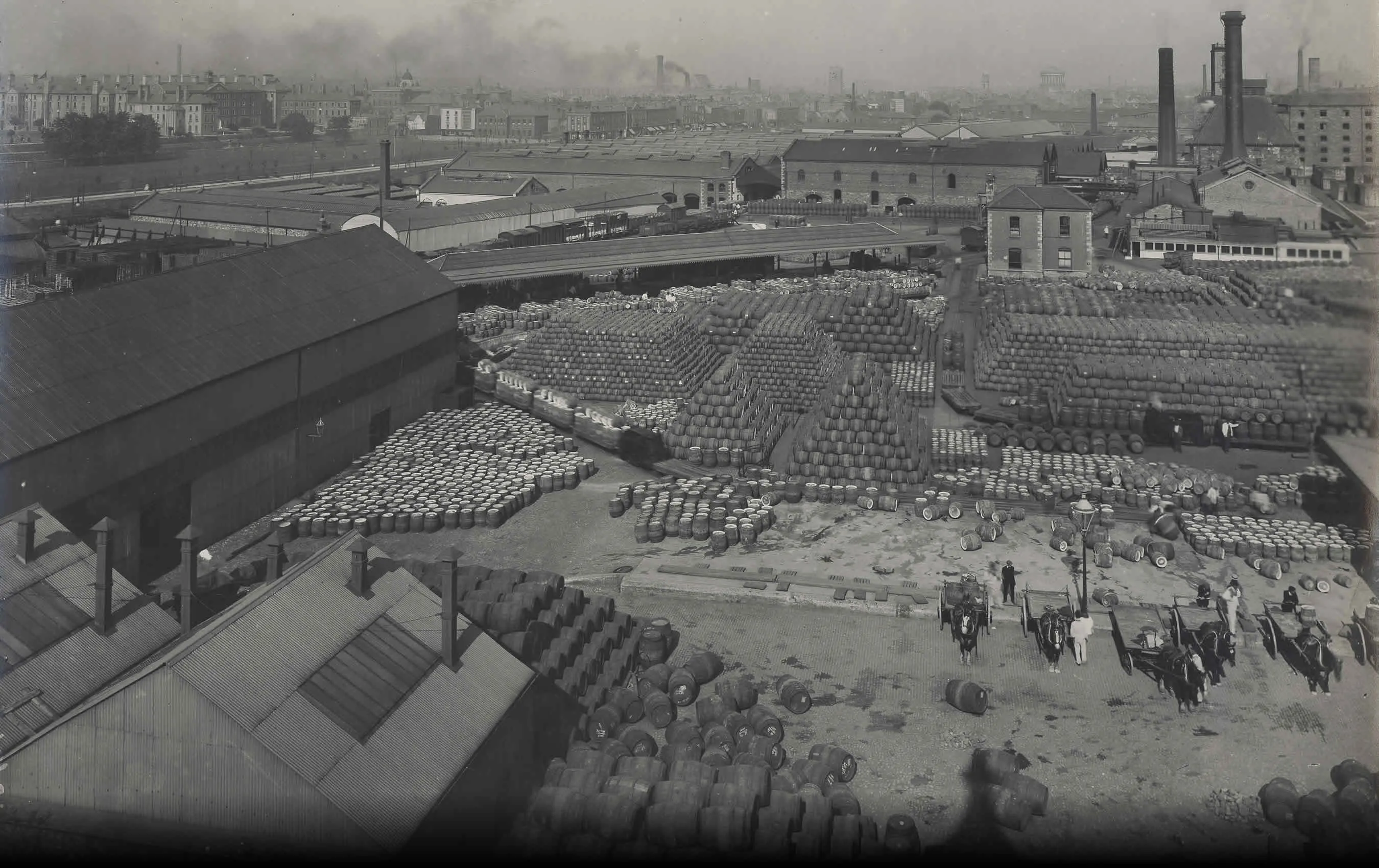
Great brewing depends on fundamentals, and Guinness built its long-term strength by treating those fundamentals with unusual seriousness. Water quality, barley sourcing, yeast management, and hop selection were handled with a level of system thinking that looked almost modern before modern management language existed. Every ingredient choice influenced flavor, shelf life, and consistency, and every inconsistency threatened trust.
This focus created strong links to farming, transport, cooperage, and urban warehousing. In other words, Guinness was never only a brewing story; it was an ecosystem story. Rural growers, city laborers, dock workers, and technical specialists were all part of the same value chain. Looking at Dublin's growth through this lens, you can see how food and drink industries helped knit together regions, skills, and livelihoods across Ireland and beyond.
Industrial expansion and the city workforce
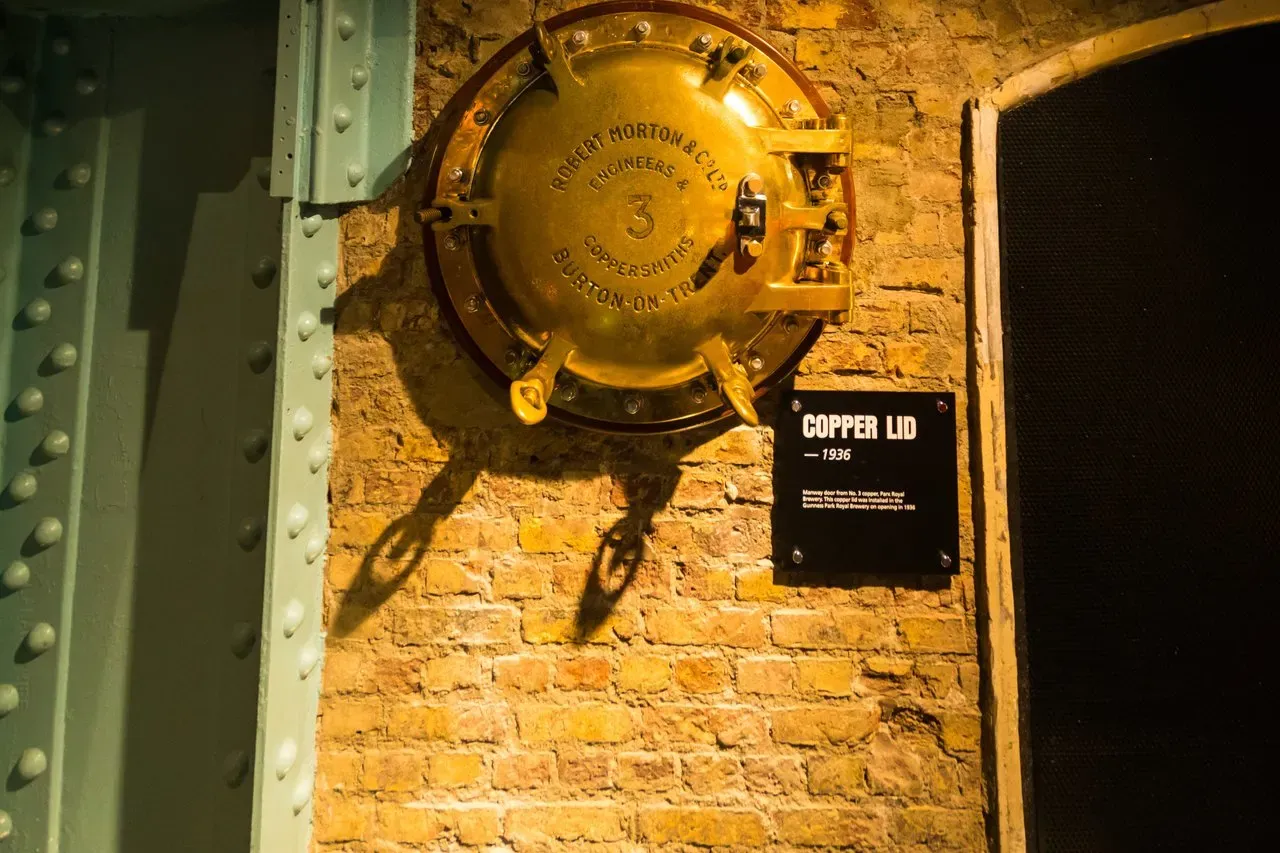
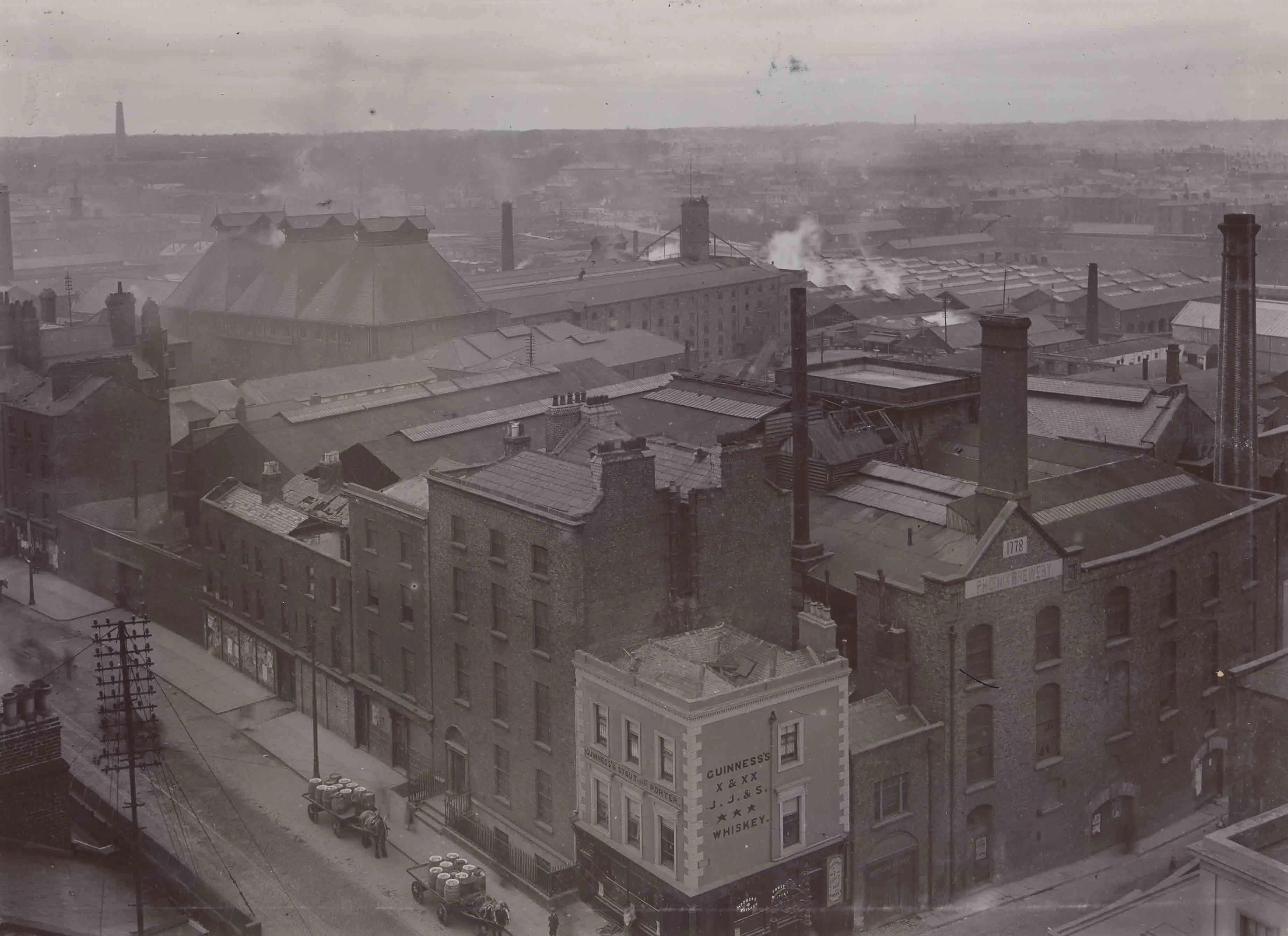
By the late 19th and early 20th centuries, St James's Gate had become a vast industrial complex with specialized roles that ranged from heavy transport to laboratory-style quality checks. The scale itself was impressive, but the more interesting story is human: generations of workers built careers there, developed technical skills, and passed practical knowledge from one cohort to the next. In many Dublin families, employment at Guinness represented stability and pride.
At the same time, industrial scale brought pressures and contradictions. Demand could surge, markets could shift, and labor conditions across the era were never simple. Yet the brewery's long presence helped shape neighborhood patterns, commuting habits, and even local identity. For many Dubliners, St James's Gate was not an abstract brand symbol; it was a workplace tied to real routines, responsibilities, and futures.
Coopers, engineers and brewing know-how
One of the most fascinating parts of Guinness history is the blend of craft and engineering. Coopers built and repaired casks with precision that required years of apprenticeship. Engineers maintained pumps, kilns, and transport systems in an era when industrial reliability was hard won, not assumed. Brewers monitored process detail relentlessly, balancing art and control in every stage.
These trades remind us that iconic products are rarely the work of a single genius or department. They emerge from teams, routines, and standards that evolve over decades. At the Storehouse, when you see old tools and technical exhibits, you are really seeing the infrastructure of trust: the practical intelligence that made people believe a Guinness poured in one pub would taste like a Guinness poured in another.
Advertising, design and the Guinness image
Few beverage brands have shaped visual culture as successfully as Guinness. Through posters, slogans, mascots, and witty print campaigns, the brand built an identity that felt distinctively Irish but globally legible. The famous toucan, playful wordcraft, and bold graphic design turned advertising into cultural memory, not just sales messaging.
What makes this chapter especially rich is that it links marketing to national storytelling. Guinness campaigns often balanced humor, craft credibility, and emotional familiarity, helping the brand cross borders while still feeling rooted in Dublin. In practice, this meant that people who had never visited Ireland could still recognize a Guinness visual instantly, and often associate it with warmth, ritual, and social connection.
Social impact and welfare traditions
Guinness became known not only for beer but also for employer-led welfare initiatives that were notable for their time, including housing support, healthcare structures, and pension-oriented planning in different periods. These policies should be viewed critically and historically, yet they also reflect an early recognition that industrial success depended on more than machines and output.
For Dublin, this had ripple effects. Stable jobs supported households, apprenticeships built skills, and long-term employment created social mobility for many families. The wider lesson is that major urban businesses can function as social institutions, shaping civic life through labor practices as much as through products.
Trade routes and global exports
As Guinness expanded beyond Ireland, logistics became central. Casks and later packaged products moved through docks, rail links, and maritime routes to Britain, Europe, Africa, and farther afield. Export growth demanded rigorous quality control because distance magnified every weakness in process and packaging.
This export chapter reveals how Dublin connected to global commerce through one recognizable product. Guinness became both a commodity and a cultural ambassador, present in port cities, military canteens, colonial routes, and eventually modern international bar culture. The brand's global footprint is one reason the Storehouse resonates with visitors from so many different countries today.
Guinness during conflict and change
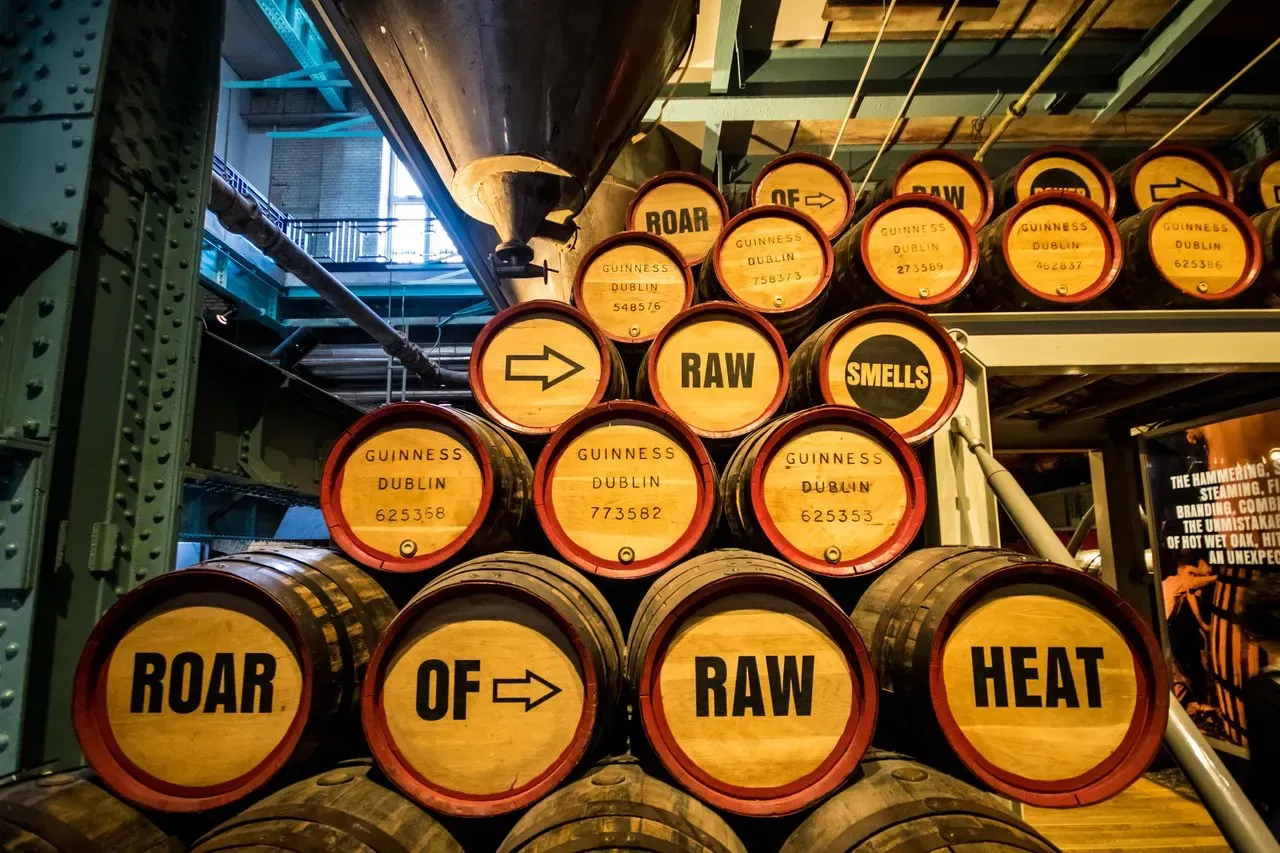
Like any institution operating across centuries, Guinness navigated periods of upheaval: political transitions in Ireland, world wars, economic cycles, and changing social attitudes toward alcohol. Demand patterns moved, regulations tightened, and consumer expectations evolved. Through these shifts, the brewery adapted processes, products, and messaging while trying to preserve recognizable identity.
This ability to adapt without dissolving into trend chasing is part of what makes Guinness historically interesting. Its continuity is not static sameness; it is managed change, negotiated decade by decade. That tension between tradition and reinvention remains visible in the Storehouse narrative today.
From working brewery to visitor experience
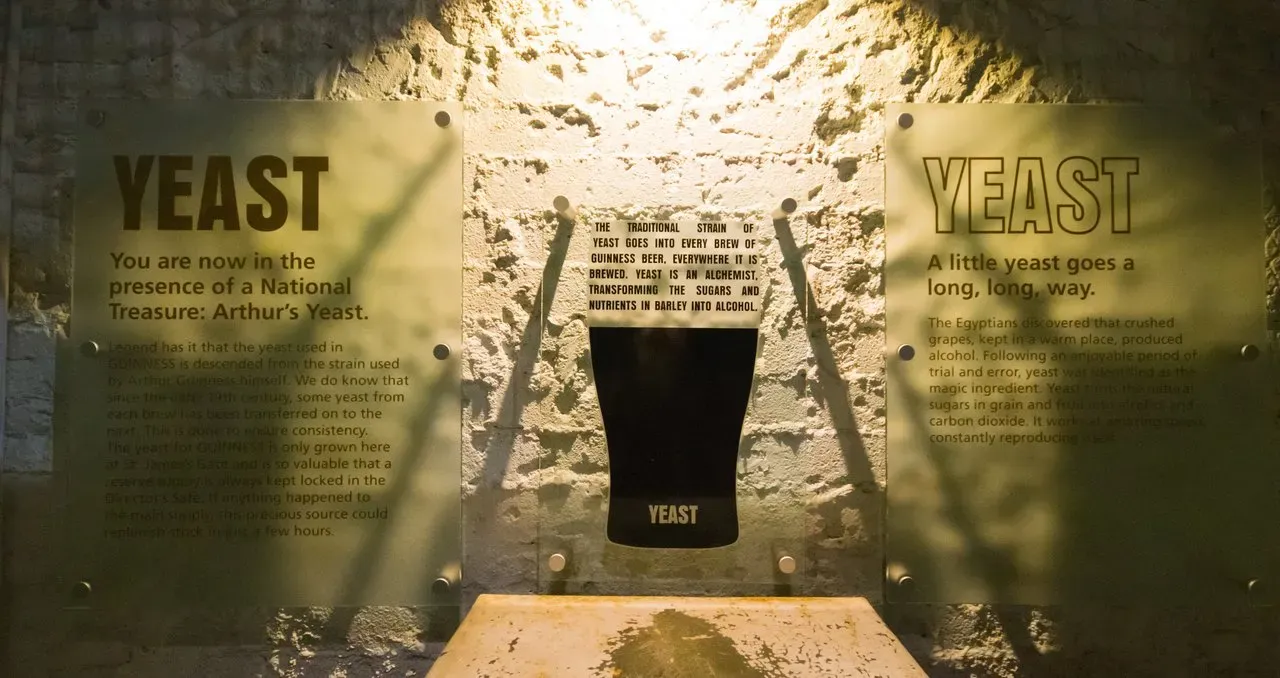
The modern Guinness Storehouse opened the industrial story to the public in a format that is both educational and theatrical. Rather than preserving machinery as static relics, it translates process into interactive storytelling that works for specialists, casual tourists, and families alike. This transformation reflects a wider shift in urban heritage practice: industrial sites can remain economically active while also becoming cultural destinations.
For visitors, this means the site does two things at once. It explains how Guinness is made and why it mattered historically, while also offering atmosphere, design, and sensory moments that feel contemporary. The result is a rare balance between authenticity and accessibility.
The Storehouse as cultural landmark

Today, the Storehouse is one of Ireland's most visited attractions, but numbers alone do not explain its appeal. It works because it connects multiple narratives that travelers care about: city history, working-class heritage, industrial innovation, visual culture, and social ritual. A pint in the Gravity Bar is never just a drink; for many people it feels like participation in a shared story.
The site has also become a platform for contemporary Dublin identity, hosting events, conversations, and experiences that keep the brand dynamic while acknowledging its past. In that sense, the Storehouse is not merely about nostalgia. It is an active cultural space where memory and modern tourism continually meet.
Modern brewing values and sustainability
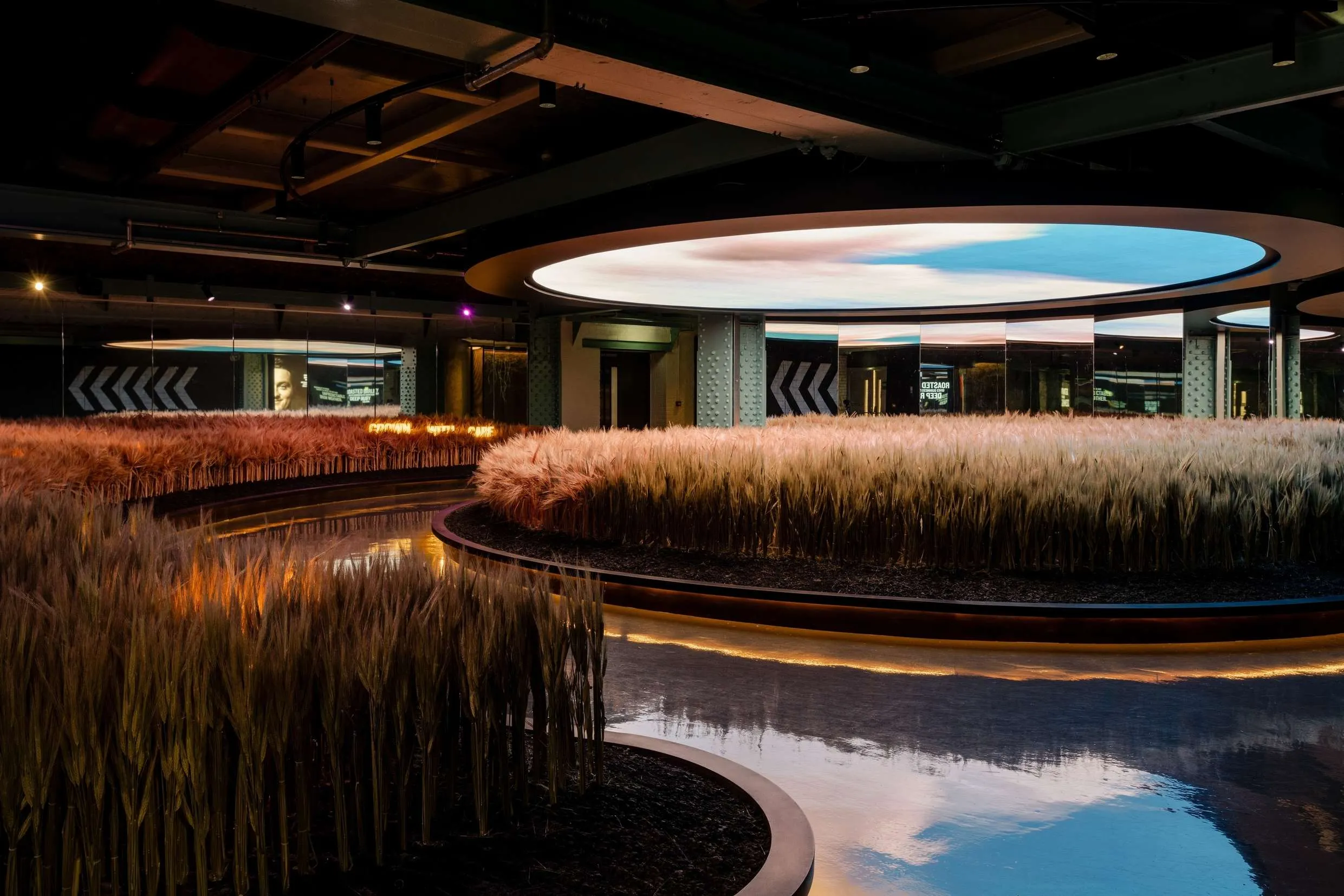
In recent years, brewing conversations have expanded beyond flavor and tradition to include energy use, water stewardship, packaging impact, and responsible consumption. Guinness's modern narrative increasingly reflects these concerns, positioning heritage not as an excuse to stand still but as a foundation for more sustainable decisions.
For visitors, this chapter adds useful perspective: iconic brands survive when they can respect legacy and still respond to present-day expectations. At the Storehouse, sustainability messaging sits alongside historical exhibits, signaling that the future of brewing is part of the story, not an afterthought.
Why Guinness still feels like Dublin
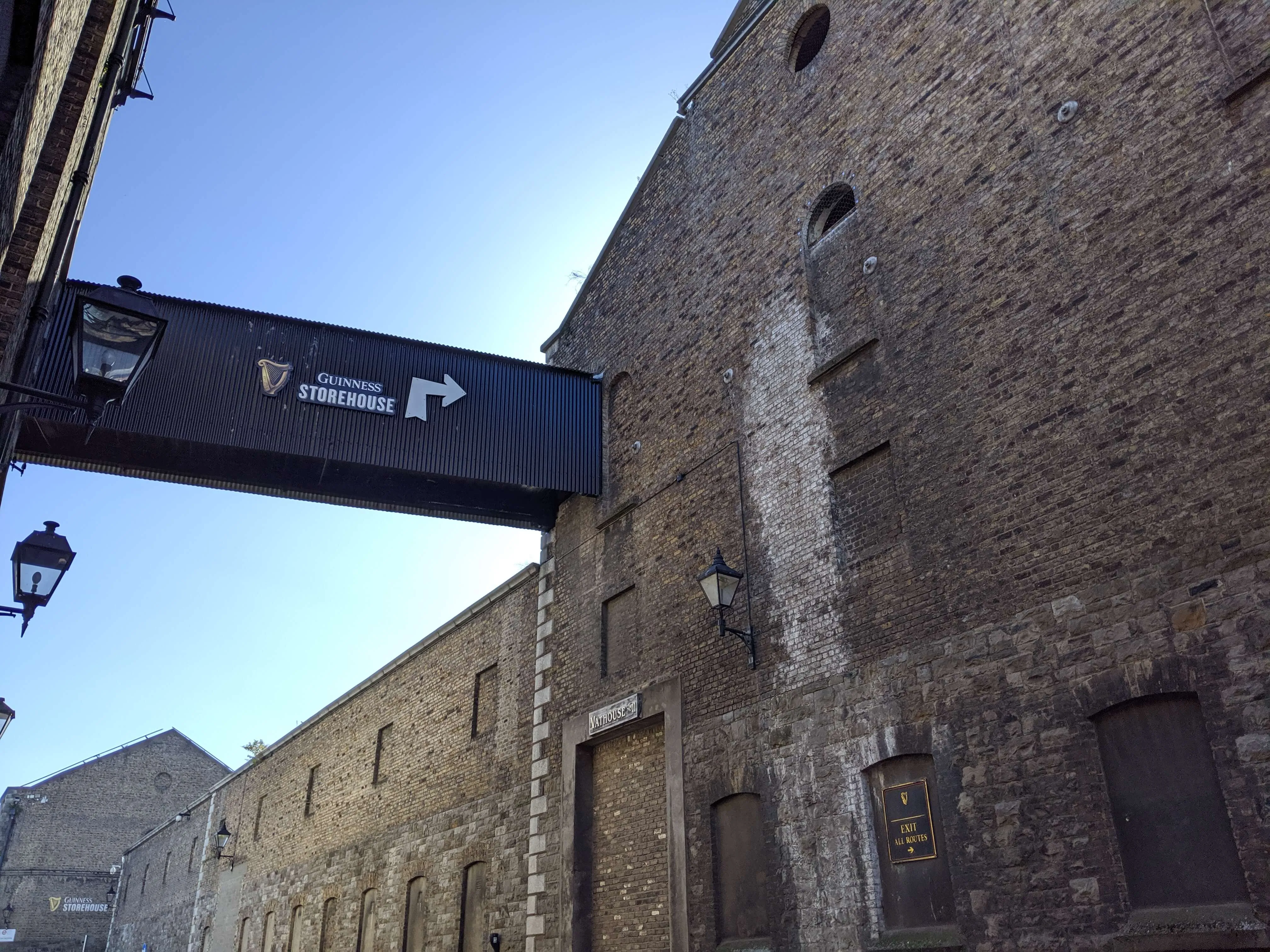
Guinness remains closely linked to Dublin because the relationship was built over centuries through labor, streets, pubs, exports, design, and shared memory. The beer became a symbol, but the symbol endured because real communities stood behind it: workers, families, suppliers, and drinkers who treated it as part of everyday life rather than distant luxury.
By the time you finish a Storehouse visit, the connection usually feels clearer. You have seen the technical craft, the industrial scale, the social history, and the cultural storytelling that turned a local brewery into a global name. Yet the final impression is often simple and local: this story still belongs to Dublin, and Dublin still gives it meaning.
Table of Contents
Arthur Guinness and the St James's Gate lease
The story most people know begins in 1759, when Arthur Guinness signed the famous lease at St James's Gate. It is often retold in a single line about long-term vision, but what matters just as much is context: Dublin in the 18th century was a city of trade, migration, craft labor, and rapid urban change. Brewing was competitive, quality was inconsistent, and reputation meant survival. Guinness built his enterprise by combining practical discipline with bold ambition, investing in process, consistency, and scale at a time when many producers remained small and local. The brewery's early rise was not luck alone; it reflected careful choices about supply, equipment, logistics, and brand trust.
As production methods evolved, Guinness moved toward porter and eventually stout, drinks suited to industrial-age tastes and urban working life. Over time, the brewery grew into one of Dublin's defining economic engines. Families found stable employment there for generations, and the name Guinness became woven into everyday speech in pubs, docks, workshops, and kitchens. What started as a business decision at St James's Gate slowly became a cultural anchor point: a place where commerce, identity, and city memory met in one address.
How porter transformed Dublin brewing
Porter changed everything. In an era when many beers were inconsistent from batch to batch, dark porter offered a recognizable profile that could travel and still satisfy. Guinness invested heavily in equipment and quality control to keep flavor reliable, and this reliability became a competitive advantage in local and export markets. Drinkers came to trust the product, publicans came to trust delivery, and the city came to trust the business as a source of wages and commercial momentum.
The rise of porter also reveals a broader story about taste and class in urban Europe. Dark beer was practical, filling, and compatible with the rhythm of industrial towns, where long shifts and crowded neighborhoods shaped daily life. Guinness did not simply follow this shift; it helped define it. By the 19th century, the brewery's output and reputation had reached levels that made Dublin central to conversations about modern brewing standards.
Water, barley, hops and local supply chains
Great brewing depends on fundamentals, and Guinness built its long-term strength by treating those fundamentals with unusual seriousness. Water quality, barley sourcing, yeast management, and hop selection were handled with a level of system thinking that looked almost modern before modern management language existed. Every ingredient choice influenced flavor, shelf life, and consistency, and every inconsistency threatened trust.
This focus created strong links to farming, transport, cooperage, and urban warehousing. In other words, Guinness was never only a brewing story; it was an ecosystem story. Rural growers, city laborers, dock workers, and technical specialists were all part of the same value chain. Looking at Dublin's growth through this lens, you can see how food and drink industries helped knit together regions, skills, and livelihoods across Ireland and beyond.
Industrial expansion and the city workforce
By the late 19th and early 20th centuries, St James's Gate had become a vast industrial complex with specialized roles that ranged from heavy transport to laboratory-style quality checks. The scale itself was impressive, but the more interesting story is human: generations of workers built careers there, developed technical skills, and passed practical knowledge from one cohort to the next. In many Dublin families, employment at Guinness represented stability and pride.
At the same time, industrial scale brought pressures and contradictions. Demand could surge, markets could shift, and labor conditions across the era were never simple. Yet the brewery's long presence helped shape neighborhood patterns, commuting habits, and even local identity. For many Dubliners, St James's Gate was not an abstract brand symbol; it was a workplace tied to real routines, responsibilities, and futures.
Coopers, engineers and brewing know-how
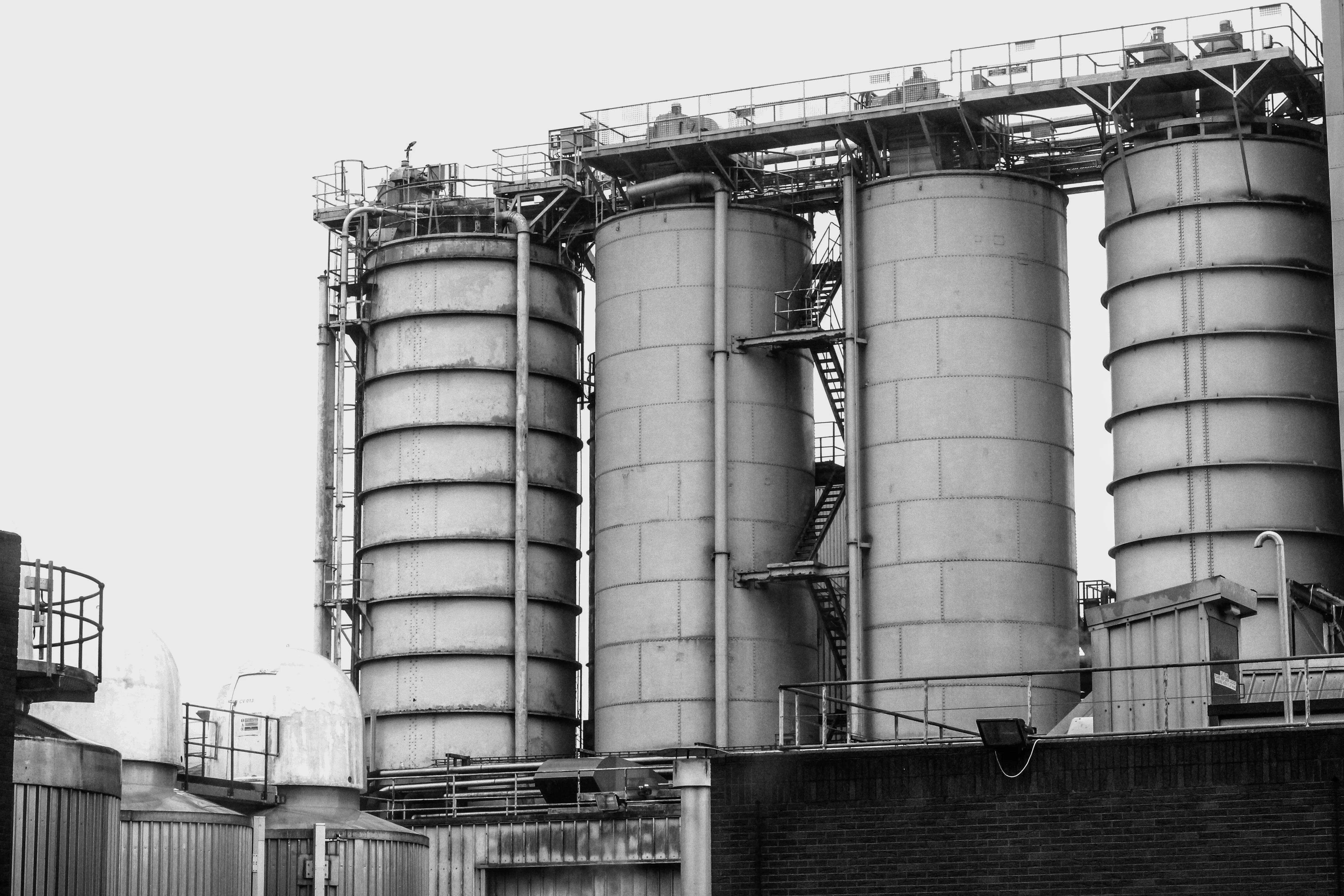
One of the most fascinating parts of Guinness history is the blend of craft and engineering. Coopers built and repaired casks with precision that required years of apprenticeship. Engineers maintained pumps, kilns, and transport systems in an era when industrial reliability was hard won, not assumed. Brewers monitored process detail relentlessly, balancing art and control in every stage.
These trades remind us that iconic products are rarely the work of a single genius or department. They emerge from teams, routines, and standards that evolve over decades. At the Storehouse, when you see old tools and technical exhibits, you are really seeing the infrastructure of trust: the practical intelligence that made people believe a Guinness poured in one pub would taste like a Guinness poured in another.
Advertising, design and the Guinness image
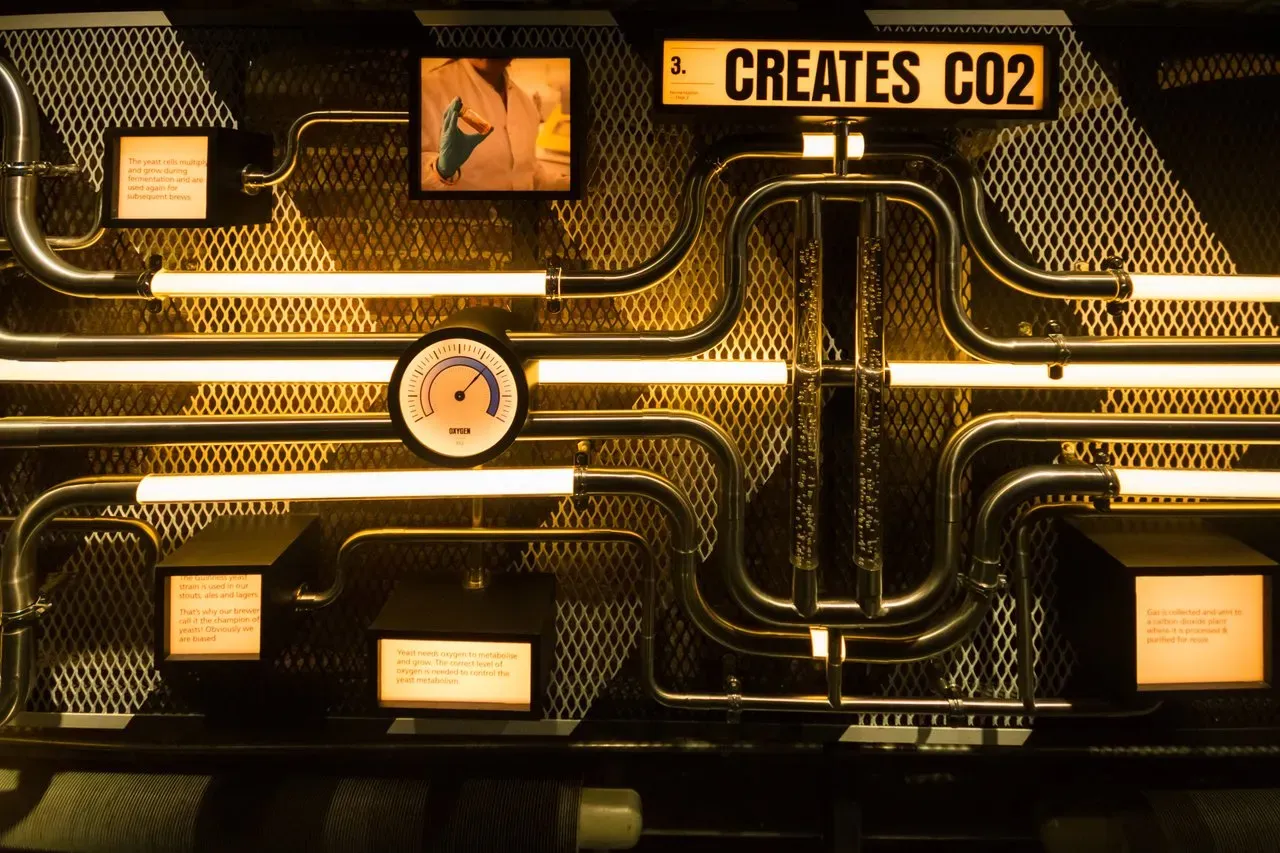
Few beverage brands have shaped visual culture as successfully as Guinness. Through posters, slogans, mascots, and witty print campaigns, the brand built an identity that felt distinctively Irish but globally legible. The famous toucan, playful wordcraft, and bold graphic design turned advertising into cultural memory, not just sales messaging.
What makes this chapter especially rich is that it links marketing to national storytelling. Guinness campaigns often balanced humor, craft credibility, and emotional familiarity, helping the brand cross borders while still feeling rooted in Dublin. In practice, this meant that people who had never visited Ireland could still recognize a Guinness visual instantly, and often associate it with warmth, ritual, and social connection.
Social impact and welfare traditions
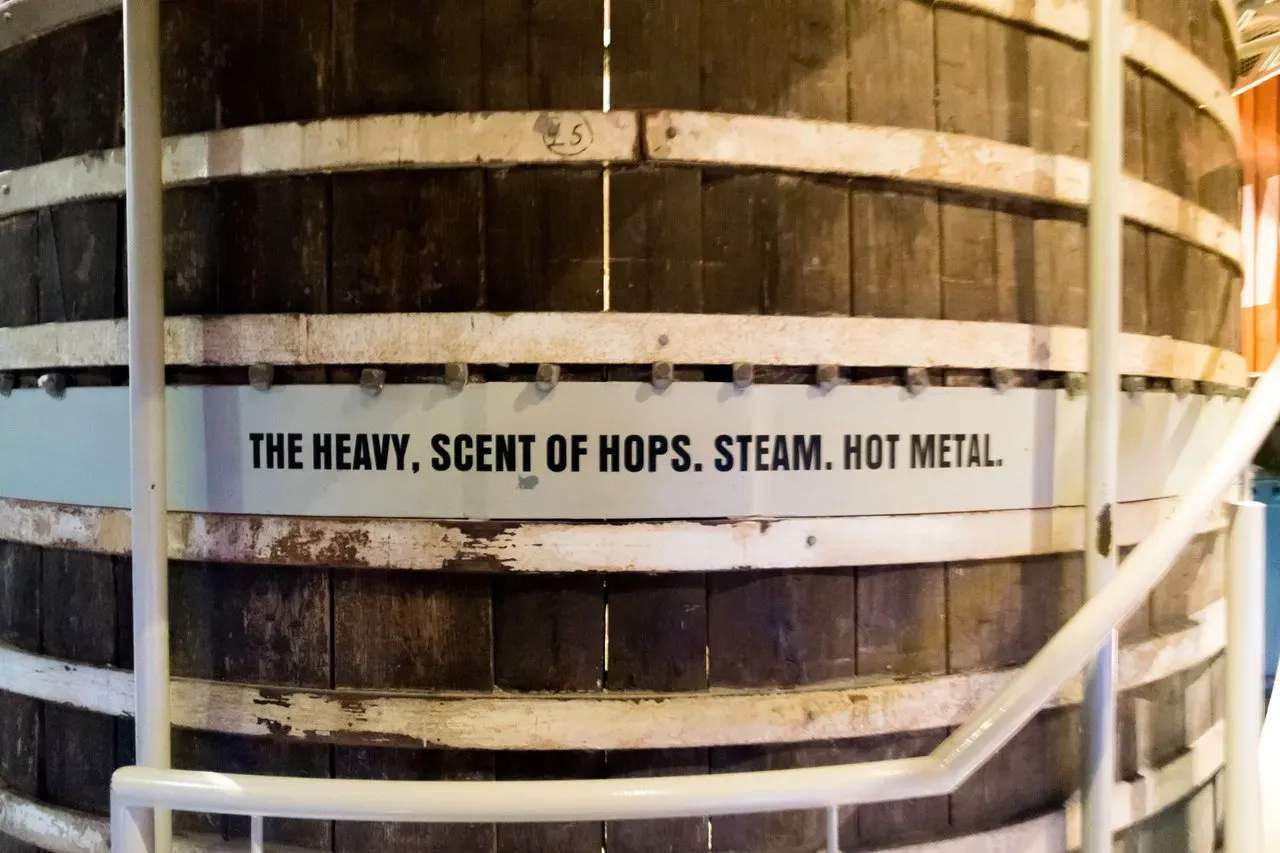
Guinness became known not only for beer but also for employer-led welfare initiatives that were notable for their time, including housing support, healthcare structures, and pension-oriented planning in different periods. These policies should be viewed critically and historically, yet they also reflect an early recognition that industrial success depended on more than machines and output.
For Dublin, this had ripple effects. Stable jobs supported households, apprenticeships built skills, and long-term employment created social mobility for many families. The wider lesson is that major urban businesses can function as social institutions, shaping civic life through labor practices as much as through products.
Trade routes and global exports
As Guinness expanded beyond Ireland, logistics became central. Casks and later packaged products moved through docks, rail links, and maritime routes to Britain, Europe, Africa, and farther afield. Export growth demanded rigorous quality control because distance magnified every weakness in process and packaging.
This export chapter reveals how Dublin connected to global commerce through one recognizable product. Guinness became both a commodity and a cultural ambassador, present in port cities, military canteens, colonial routes, and eventually modern international bar culture. The brand's global footprint is one reason the Storehouse resonates with visitors from so many different countries today.
Guinness during conflict and change
Like any institution operating across centuries, Guinness navigated periods of upheaval: political transitions in Ireland, world wars, economic cycles, and changing social attitudes toward alcohol. Demand patterns moved, regulations tightened, and consumer expectations evolved. Through these shifts, the brewery adapted processes, products, and messaging while trying to preserve recognizable identity.
This ability to adapt without dissolving into trend chasing is part of what makes Guinness historically interesting. Its continuity is not static sameness; it is managed change, negotiated decade by decade. That tension between tradition and reinvention remains visible in the Storehouse narrative today.
From working brewery to visitor experience
The modern Guinness Storehouse opened the industrial story to the public in a format that is both educational and theatrical. Rather than preserving machinery as static relics, it translates process into interactive storytelling that works for specialists, casual tourists, and families alike. This transformation reflects a wider shift in urban heritage practice: industrial sites can remain economically active while also becoming cultural destinations.
For visitors, this means the site does two things at once. It explains how Guinness is made and why it mattered historically, while also offering atmosphere, design, and sensory moments that feel contemporary. The result is a rare balance between authenticity and accessibility.
The Storehouse as cultural landmark
Today, the Storehouse is one of Ireland's most visited attractions, but numbers alone do not explain its appeal. It works because it connects multiple narratives that travelers care about: city history, working-class heritage, industrial innovation, visual culture, and social ritual. A pint in the Gravity Bar is never just a drink; for many people it feels like participation in a shared story.
The site has also become a platform for contemporary Dublin identity, hosting events, conversations, and experiences that keep the brand dynamic while acknowledging its past. In that sense, the Storehouse is not merely about nostalgia. It is an active cultural space where memory and modern tourism continually meet.
Modern brewing values and sustainability
In recent years, brewing conversations have expanded beyond flavor and tradition to include energy use, water stewardship, packaging impact, and responsible consumption. Guinness's modern narrative increasingly reflects these concerns, positioning heritage not as an excuse to stand still but as a foundation for more sustainable decisions.
For visitors, this chapter adds useful perspective: iconic brands survive when they can respect legacy and still respond to present-day expectations. At the Storehouse, sustainability messaging sits alongside historical exhibits, signaling that the future of brewing is part of the story, not an afterthought.
Why Guinness still feels like Dublin
Guinness remains closely linked to Dublin because the relationship was built over centuries through labor, streets, pubs, exports, design, and shared memory. The beer became a symbol, but the symbol endured because real communities stood behind it: workers, families, suppliers, and drinkers who treated it as part of everyday life rather than distant luxury.
By the time you finish a Storehouse visit, the connection usually feels clearer. You have seen the technical craft, the industrial scale, the social history, and the cultural storytelling that turned a local brewery into a global name. Yet the final impression is often simple and local: this story still belongs to Dublin, and Dublin still gives it meaning.